

Fitness Date UK vs Fitafy
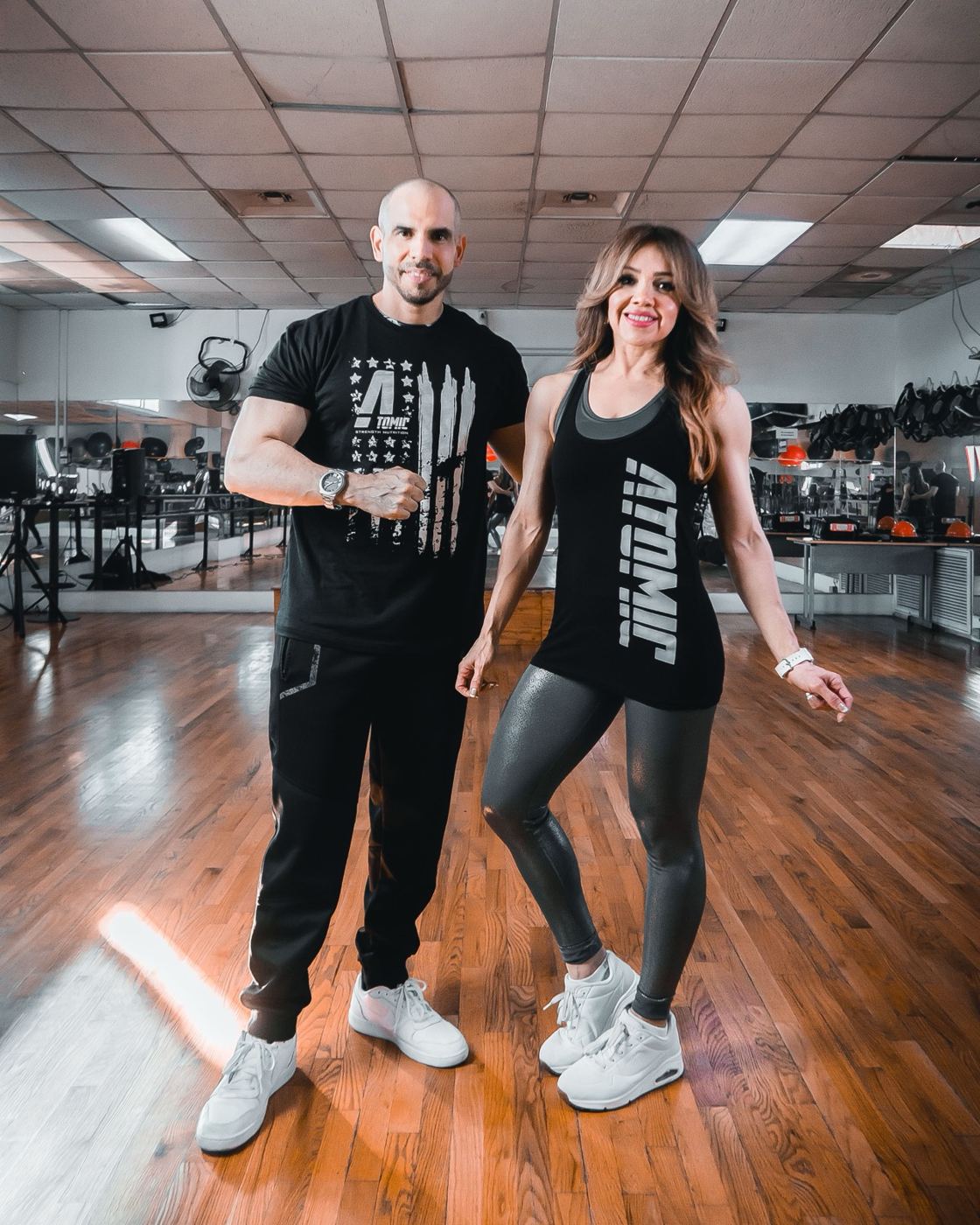
A browser-based UK site with detailed profiles against an app with fitness and dietary filters.
Choosing where to meet active singles? Here is how Fitness Date UK sets up against dedicated fitness apps and general dating apps, using what each service says about itself.
Comparing yourself with rivals is easy to do badly. It is tempting to list your strengths and their weaknesses, round numbers in your favour and quote whatever makes you look best. We have tried to do the opposite, because a comparison is only useful if you can trust it.
Every fact we give about another service comes from that service's own website or its official app store listing, checked at the time of writing. If a detail could not be confirmed there, it is not on the page. That is why some cells in our tables say "see official site" or "not stated": we would rather leave a gap than guess. We do not quote member numbers, ratings or popularity claims for anyone, including ourselves, because they are hard to check and rarely tell you much about who you will actually meet.
We also try to say clearly where a rival may suit you better. A phone-first app with fitness-level matching is a genuinely good fit for some people. A service open to friendships and workout partners suits others. A mainstream app reaches a wider mix of people. Pointing that out does not cost us anything; it simply helps you choose well.
Services change their features and prices often. A comparison written today may be out of date in a few months, so treat these pages as a starting point. Before you sign up anywhere, including here, check the current terms on the official site or listing. Each comparison page notes where its facts come from, so you can check them yourself.
Finally, these comparisons are about fit, not winners. The question is never which service is best in general, but which one suits the way you like to meet people. Your answer may well be more than one.
Whether you are looking at us, a fitness app or a mainstream app, a handful of questions will tell you most of what you need to know.
Who is it for? Read how the service describes itself. Is it for dating, friendship, training partners or all three? Does that match what you want?
How do you find people? Some services match you automatically on filters; others let you browse and search. Some use a one-click signal such as a like or a "show interest" button; others start with a message. Think about which feels natural to you.
What goes in a profile? If you want to explain how you train and what a weekend looks like, check there is room to do so. A profile that only holds a photo and a single line makes it hard to find common ground.
What does it cost, and does it renew? Look for prices in your own currency, and check whether paid plans renew automatically. If a service says it costs nothing, look at its app store listing too, as optional paid features are common.
Where does it run? An app suits some people; a website that works on any device suits others. Consider whether you want to install something new.
How do you stay safe? Check that you can block and report members easily, and that the service offers practical advice on meeting people. For active singles, advice on outdoor dates and tracking-app privacy is a bonus.
Who is near you? Spend some time looking around before paying for anything. Clever design counts for little if nobody nearby shares your interests.
Is the information easy to find? A service that sets out its prices, terms and safety advice clearly is usually one that treats its members well. If you have to dig, ask yourself why.
Use these questions on every page below, and on any service you are considering. You will make a better choice, and you will start dating with a clearer idea of what you want.
There is no single best option for everyone. If you want a browser-based site where long profiles and messaging come first, a niche site like Fitness Date UK suits you. If you prefer a phone-first app with swipe-style matching on fitness filters, a dedicated fitness app may appeal. If you want the widest possible pool and do not mind that fitness is just one interest among many, a general app is the obvious choice. You can use more than one if you like.
| Fitness Date UK | Fitafy | FITFCK | Fitness Singles | General dating apps | |
|---|---|---|---|---|---|
| Focus | Active singles across the UK | Fitness and healthy lifestyle dating | Gym and fitness dating | Fitness dates, exercise friends, workout partners | Everyone |
| Where it runs | Web browser on any device | App (Google Play and App Store) | App (Google Play and App Store) | Website | Mostly apps |
| How you find people | Browse, search and read profiles | Matching with fitness and dietary filters | Matching on location, gender, fitness level and intent | Browse profiles and "Show Interest" | Varies by app |
| Payment model | Optional VIP and VIP Plus; 12-month plans do not renew | Website says "No upsells. No paywalls"; store listings describe optional premium | Premium sold as an auto-renewing subscription | Joining advertised at no cost; premium prices not found | Varies by app |
| UK prices published | Yes, in pounds on our pricing page | See official site | See store listing | Not stated on pages reached | Varies |
Details for each rival come from their own official website or app store listing at the time of writing. Services change, so check the latest terms before you sign up anywhere.
A browser-based UK site with detailed profiles against an app with fitness and dietary filters.
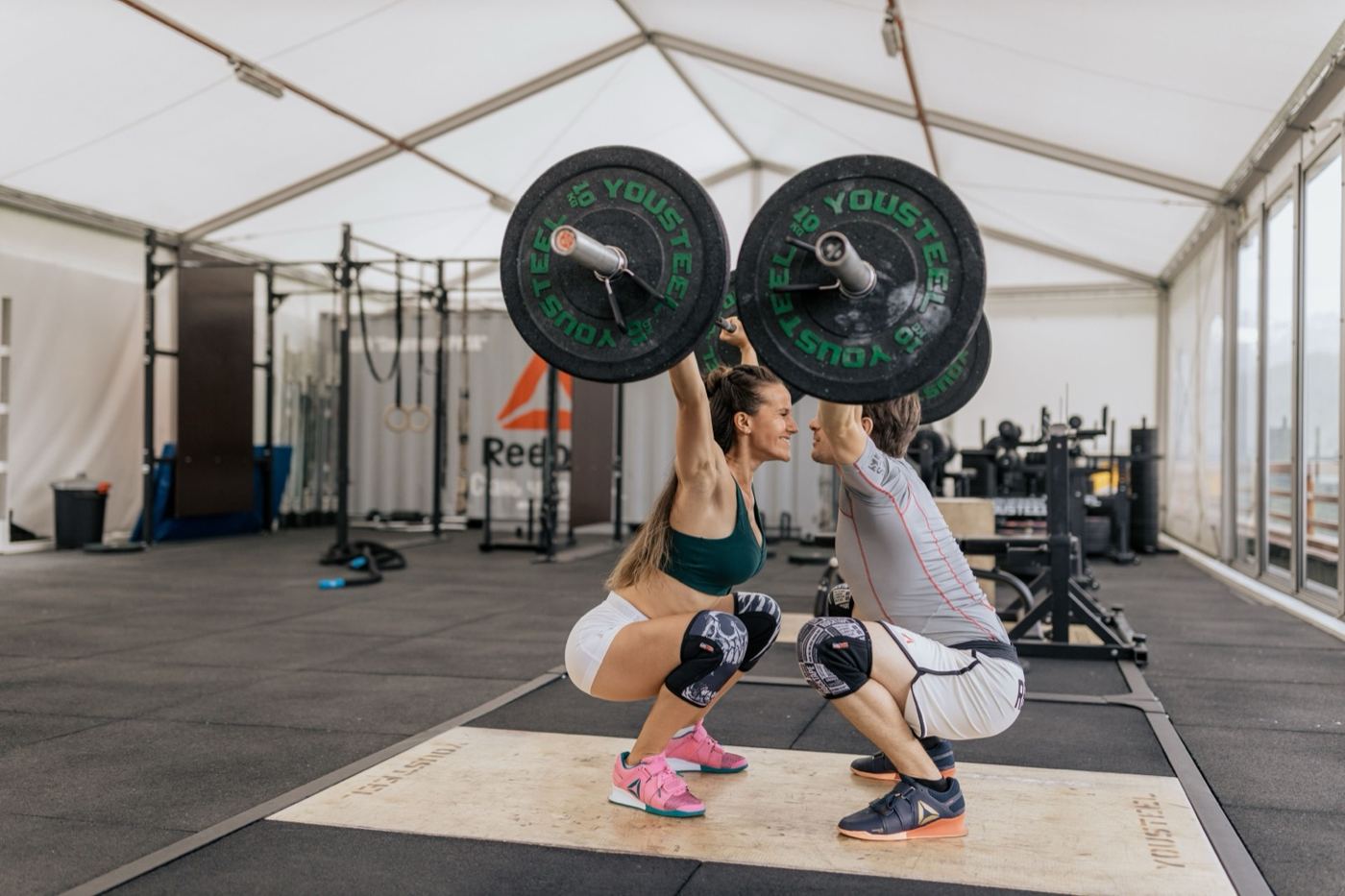
Two UK options for gym-goers: a browser site built on profiles against an app built on fitness-level matching.

Two web-based sites built around activity profiles, compared on what each one says about itself.
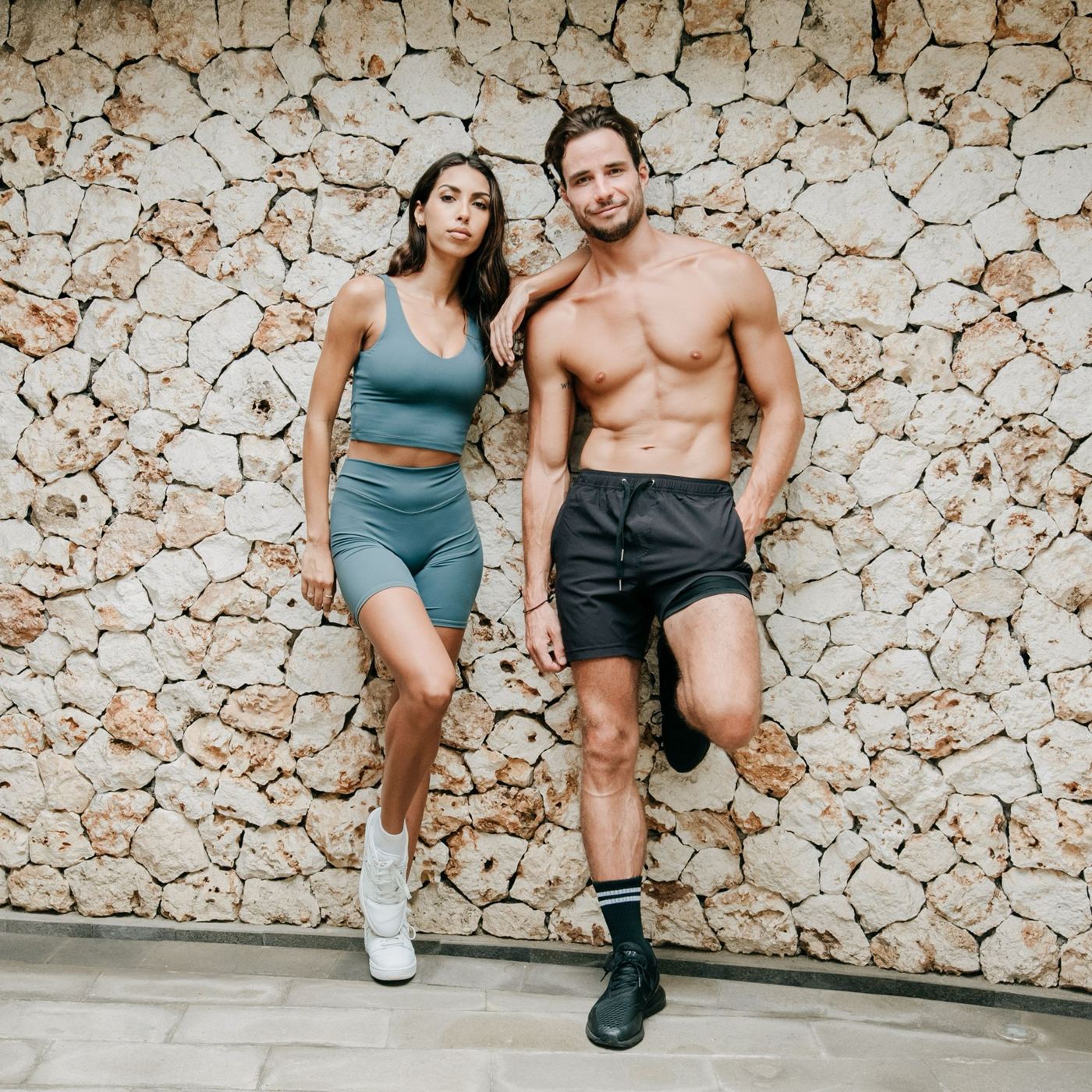
Wide reach or shared lifestyle? How a niche fitness site compares with mainstream apps for active singles.
A fitness dating service should let you say more than "I like the gym". Look for space to describe your activities, goals and typical week. The more context a profile gives, the easier it is to start a conversation that goes somewhere.
Look for prices in pounds and plain renewal terms. Ours, plan by plan, are on the pricing page.
Blocking, reporting and guidance on meeting safely matter on any platform. Outdoor dates bring their own considerations, which we cover on our trust and safety page.
A service is only as useful as the people near you on it. Spend a little time browsing before you upgrade anywhere, and see whether the profiles match the life you want to share.
The main practical difference is format. Apps are built around snap judgements on a phone screen. A website lets you read profiles properly and reply on whichever device suits you. Neither is better in every case: some people love how simple an app feels; others prefer to read properly and choose carefully. Our guide to choosing a fitness dating app goes deeper.
General apps have broad reach, which suits people whose interests are wide-ranging. A niche site means everyone you meet already values an active life, so you skip the conversations where your early alarm or race calendar is a deal-breaker. If fitness is central to how you live, a niche site tends to save time.
Tell our support team and include a link to the official page that shows the change.
It depends on how you like to meet people. Fitness Date UK suits those who prefer detailed profiles and messaging in the browser; dedicated fitness apps suit those who like phone-first matching; general apps reach a wider mix of people.
Not always, but for active singles they remove a common mismatch. Everyone on a fitness site already values an active lifestyle, so you start from shared ground.
Yes, and many people do. Just keep your safety habits the same everywhere.